
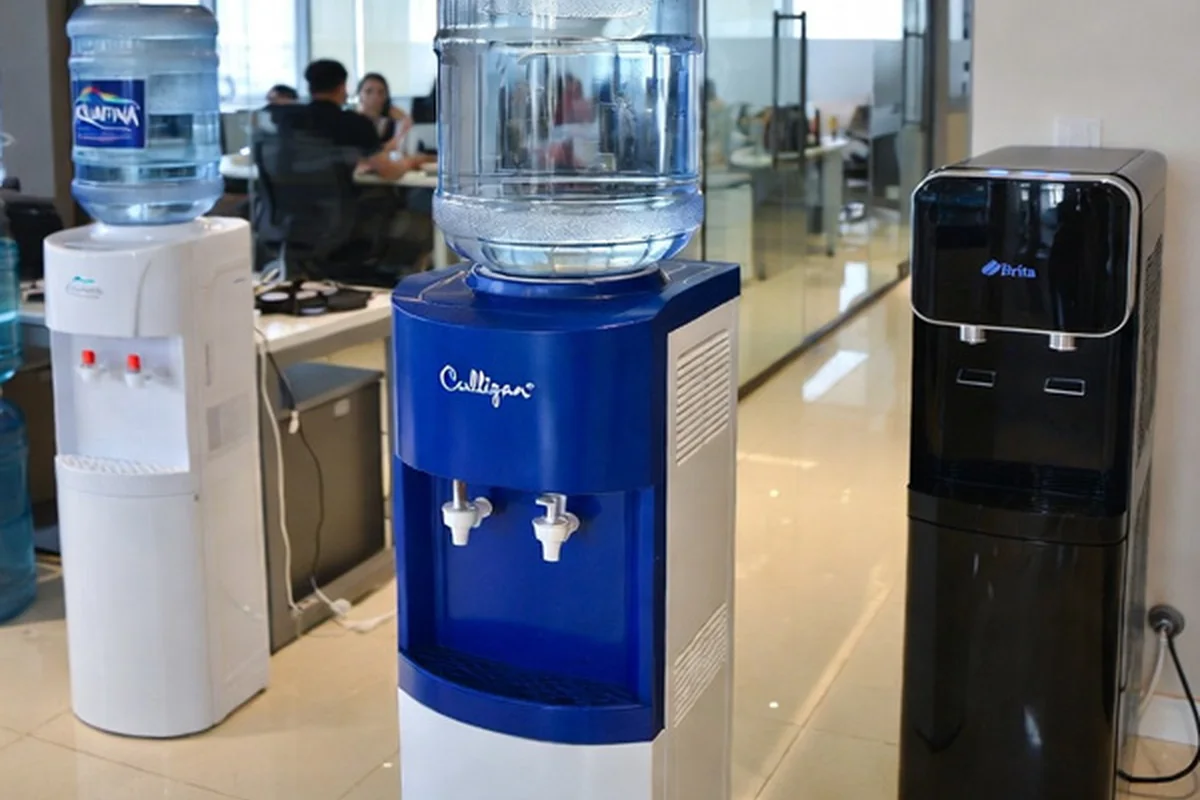
Local overview: Great Falls office water service should be planned around shift demand, field crews, winter receiving, route frequency and local equipment support. Complete quotes identify the cooler, delivered water or filters, sanitation, repairs and response included.
Plan Great Falls delivery around crews and operating hours
Office water delivery in Great Falls serves healthcare workplaces, professional firms, transportation teams, manufacturers and employers supporting agricultural and regional operations. Staff may move between administrative and field work, while some sites use several shifts. Count employees by occupied period, visiting crews, customers and separate work zones before selecting bottles or cooler capacity.
Record the route from delivery vehicle to indoor storage, including loading distance, stairs, secure entry and service hours. Winter weather and wind can affect access, so ask how delayed visits are communicated and rescheduled. Full bottles should remain protected from freezing, heat, chemicals and equipment traffic. Reliable office water delivery requires this address-level plan.
Place dispensers where employees can refill without exposure to vehicle movement, shop dust or extreme temperatures. Ask how chilled recovery performs after shift changes and whether hot-water use affects output. A divided Great Falls workplace may need several points of use because one central unit can be too far from part of the team.
Compare bottled handling with maintainable filtration
Bottled water delivery can suit leased, temporary and regional Great Falls workplaces without plumbing changes, but it creates lifting, receiving, storage and empty pickup. Bottleless coolers reduce container handling at permanent sites and require installation, filters, sanitation and repair. The bottled versus bottleless comparison should include technician reach.
A bottleless survey should locate the potable supply, shutoff, outlet and any drainage or leak-protection need. Ask why each filtration stage is included and how expected gallons affected capacity. Clarify preventive maintenance, parts availability and the response if changed taste, low flow, a leak or equipment failure cannot be corrected during the first visit.
Organizations comparing other Montana office water locations can use one reporting standard while keeping Great Falls data local. Track bottles delivered, weather delays, filter dates, repair calls and downtime. That evidence supports a specific capacity, inventory or route change when workplace needs evolve.
Compare Great Falls water companies on full annual cost
Calculate twelve months of equipment or rental, bottles, route fees, deposits, minimums, installation, filters, sanitation, repairs and removal. Include travel or special visits when applicable. The office water service contract guide helps buyers identify exclusions and responsibilities behind a basic monthly figure.
Confirm the route schedule, quantity-change cutoff and technician process for the exact Great Falls address. Ask what happens after a weather delay, failed access, empty inventory, low flow, a leak or cooler outage. Notification, escalation, expected response and any extra charge should appear in writing. That process defines practical local support.
Give each finalist the same shifts, visiting crews, desired temperatures, dispenser locations, storage, access, plumbing and response expectations. Ask for one-time costs, recurring charges, exclusions and renewal language separately. With that brief complete, compare Great Falls office water service prices on the complete operating requirement.