
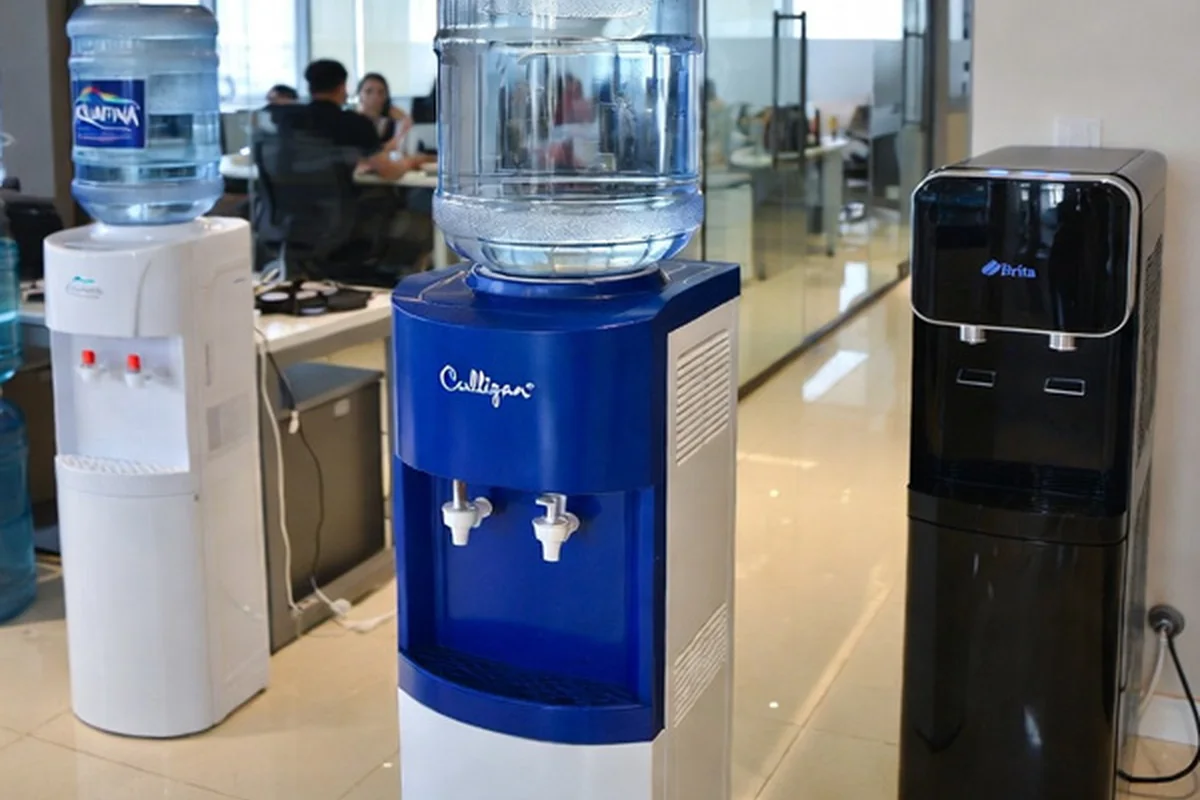
Local overview: Denver office water service should reflect dry conditions, hybrid attendance, visitors, high-rise access, winter routes and station demand. Complete proposals specify equipment capacity, bottles or filtration, installation, sanitation, maintenance, repairs, local coverage and total annual cost.
Plan Denver water delivery for offices, guests and dry conditions
Denver workplaces include Downtown towers, healthcare campuses, professional and technology firms, hospitality properties, government offices, warehouses and manufacturers. Hybrid schedules can concentrate demand midweek, while hospitals and operating facilities use water across longer shifts. Count employees by occupied period, add visitors and contractors, and map each floor or work area needing convenient water.
Bottled plans should define container size, cooler count, expected quantity, reserve inventory, route interval and empty pickup. Ask how winter weather, holidays and high-demand weeks affect delivery. The office water delivery guide helps buyers estimate volume while including storage, receiving and internal container movement in the requirement.
High-rise and secured properties should provide loading reservations, freight-elevator rules and authorized contacts before pricing. Keep bottles indoors, protected from temperature extremes and contaminants. Require missed-access communication and alternate receivers. Compare chilled recovery during meetings and shift breaks rather than relying only on a daily output claim.
Downtown tenants should ask whether certificate-of-insurance processing, loading reservations or after-hours access carries an extra charge. Employers with suburban or industrial branches should not assume the same route window applies at every address. Requiring location-specific schedules and contacts makes a multi-site Denver water program easier to manage and audit.
Evaluate Denver bottleless coolers, filtration and support
Bottleless water service can reduce jug handling where potable plumbing is accessible. Installation needs appropriate pressure, grounded power, a shutoff, protected tubing and service clearance, plus building approval when required. The bottleless water service guide explains the relationship among equipment, filtration, installation and continuing care.
Ask what each filter stage addresses and how capacity fits peak volume. Sediment, carbon, scale management and reverse osmosis have distinct functions. Require cartridge intervals, sanitation, flushing and leak safeguards in writing. The provider should state its response to low flow, unusual taste, warm output or a dispenser that stops operating.
Verify technicians serve the precise Denver address within its access schedule. Ask who performs repairs, which parts are stocked and whether temporary equipment is available. The office cooler maintenance guide supports comparison of preventive visits, service records and escalation.
Compare Denver water companies by full annual value
Total rental or purchase, bottles or filters, installation, delivery, sanitation, preventive maintenance, repairs, deposits, route or access fees, minimum orders, urgent visits and removal for twelve months. Include receiving labor. The office water pricing guide helps normalize different service models.
Give every bidder identical attendance, visitors, operating hours, stations, temperatures, access, storage and plumbing facts. Separate recurring, one-time and optional amounts. Review renewal increases, relocation, cancellation and equipment ownership. Multi-site buyers can align these points with Colorado office water service standards while confirming each local route.
A strong Denver agreement names route communication, sanitation, filter changes and repair escalation, including weather interruptions. It should explain how service changes with occupancy or floor moves. Compare Denver office water service prices with one detailed brief, evaluate written duties beside annual cost and verify address-level coverage before selection.